


What Guests Notice First: The Role of Fragrance in Hospitality
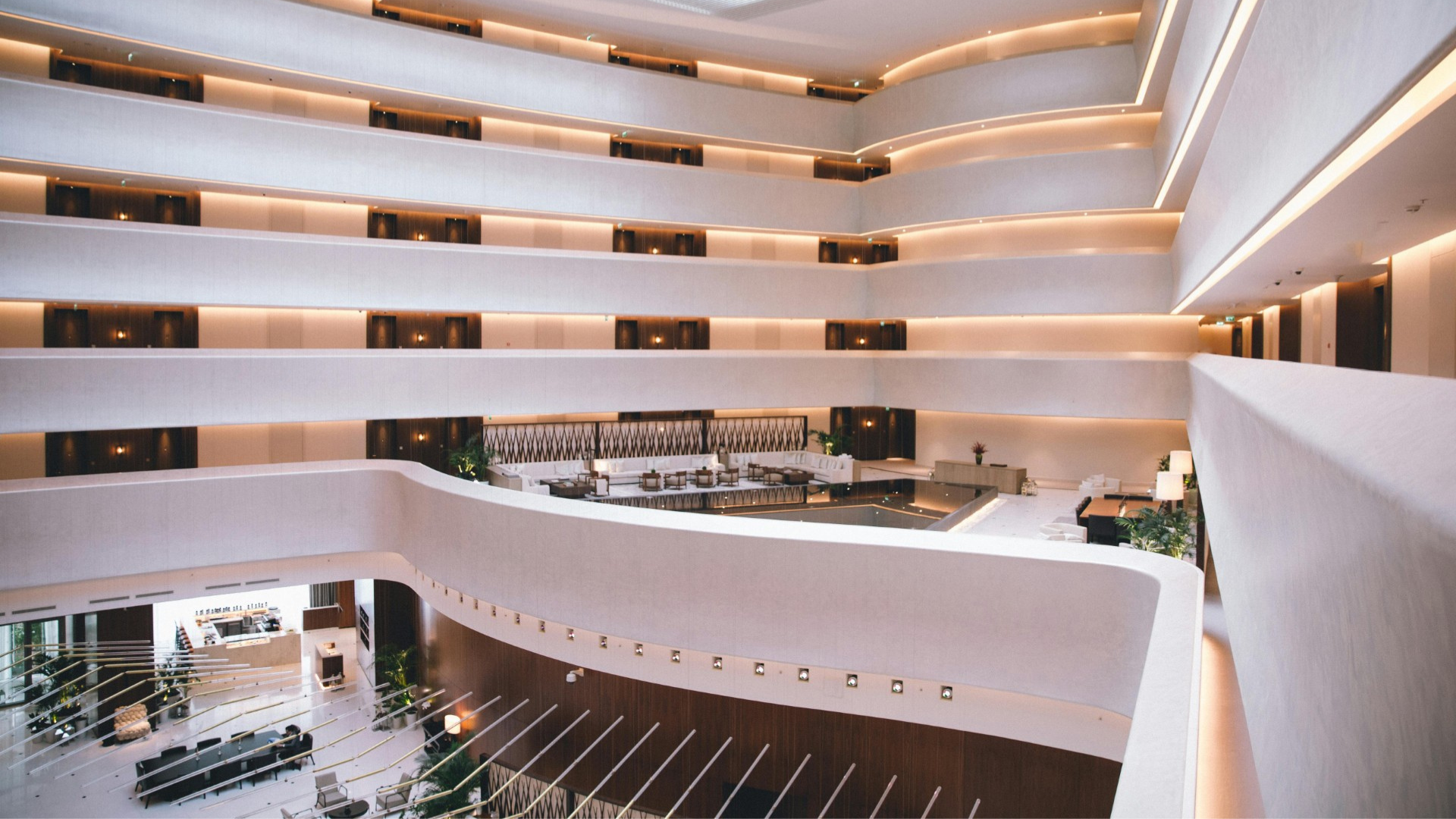
When a guest steps into a hotel, resort, or spa, their experience begins even before a greeting or interaction takes place. The lighting, the design, and the energy of the space all help set the tone, but scent is often the first detail guests register. A well-balanced fragrance can help people understand the environment immediately, shaping their first impression long before they reach the front desk.
This response is rooted in the strong link between scent, emotion, and memory. Because smell is processed in the parts of the brain connected to mood and recognition, fragrance naturally shapes how comfortable, familiar, and welcoming a space feels.
How Guests Respond to Ambient Fragrance
Recent studies published in the European Journal of Tourism Research examined how ambient scent affects a guest’s emotional reaction during their stay at a hotel. The findings showed that when people entered a pleasantly scented environment, they were more likely to describe the space as relaxing, welcoming, and thoughtfully maintained.
A well-chosen fragrance can help guests feel more settled as they enter the space, support a sense of ease in wellness areas, and create a calmer atmosphere as they move through hallways and shared spaces. Ambient fragrance becomes a part of how people interpret the environment, helping them settle in and feel more connected to the space around them. These moments influence how guests remember their stay and often shape whether they choose to return.
Fragrance and the Perception of Cleanliness
Beyond its influence on mood and memory, scent also plays a key role in how guests judge the cleanliness of a space. Cleanliness is one of the most immediate expectations guests have in hospitality spaces, and scent plays a meaningful role in how that expectation is interpreted. Even in well-maintained environments, a lack of fragrance or an inconsistent scent can make a space feel unfinished.
A steady, pleasant fragrance helps reinforce the sense of freshness guests expect across the property. In lobbies and corridors, it contributes to a feeling of order and care. In restrooms and other high-traffic areas, it helps guests feel reassured that the space is being actively managed. These subtle cues support trust and comfort throughout the entire stay.
Fragrance as Part of Hospitality Design
Many hotels and resorts now treat fragrance as an intentional element of design. Just as lighting, materials, and color help define the feel of a space, scent adds another layer to the environment. A bright, refreshing fragrance can complement an active lobby, while softer notes can enhance the calming atmosphere of a spa or relaxation area.
This approach, often referred to as scent marketing, allows properties to use fragrance as part of their brand expression. A signature scent can reinforce the emotional tone of a space and help differentiate a property in a subtle but memorable way. When fragrance aligns with the design and purpose of the space, it supports a cohesive experience that guests notice even if they are not consciously aware of it.
Creating Spaces Guests Enjoy Returning To
The most memorable hospitality experiences are often the ones that feel effortless. Fragrance plays a quiet role in shaping those moments, supporting the overall environment across different areas of the property. It influences how guests transition from one space to another, how they relax, and how warmly they recall their stay.
At Vectair, we design fragrance and aircare solutions that help hospitality teams create a cohesive scent experience throughout their properties. Our aircare systems deliver consistent, reliable fragrance from one area to the next, supporting an environment that feels seamless and thoughtfully managed.
Explore More from Vectair
If you are considering updating your fragrance experience or exploring new scent options for your space, we are here to help. Contact us to learn more, and follow Vectair on LinkedIn for additional insights on aircare, hygiene, and guest experience.
