


What UK Businesses Need to Know About Aerosol Waste in 2026
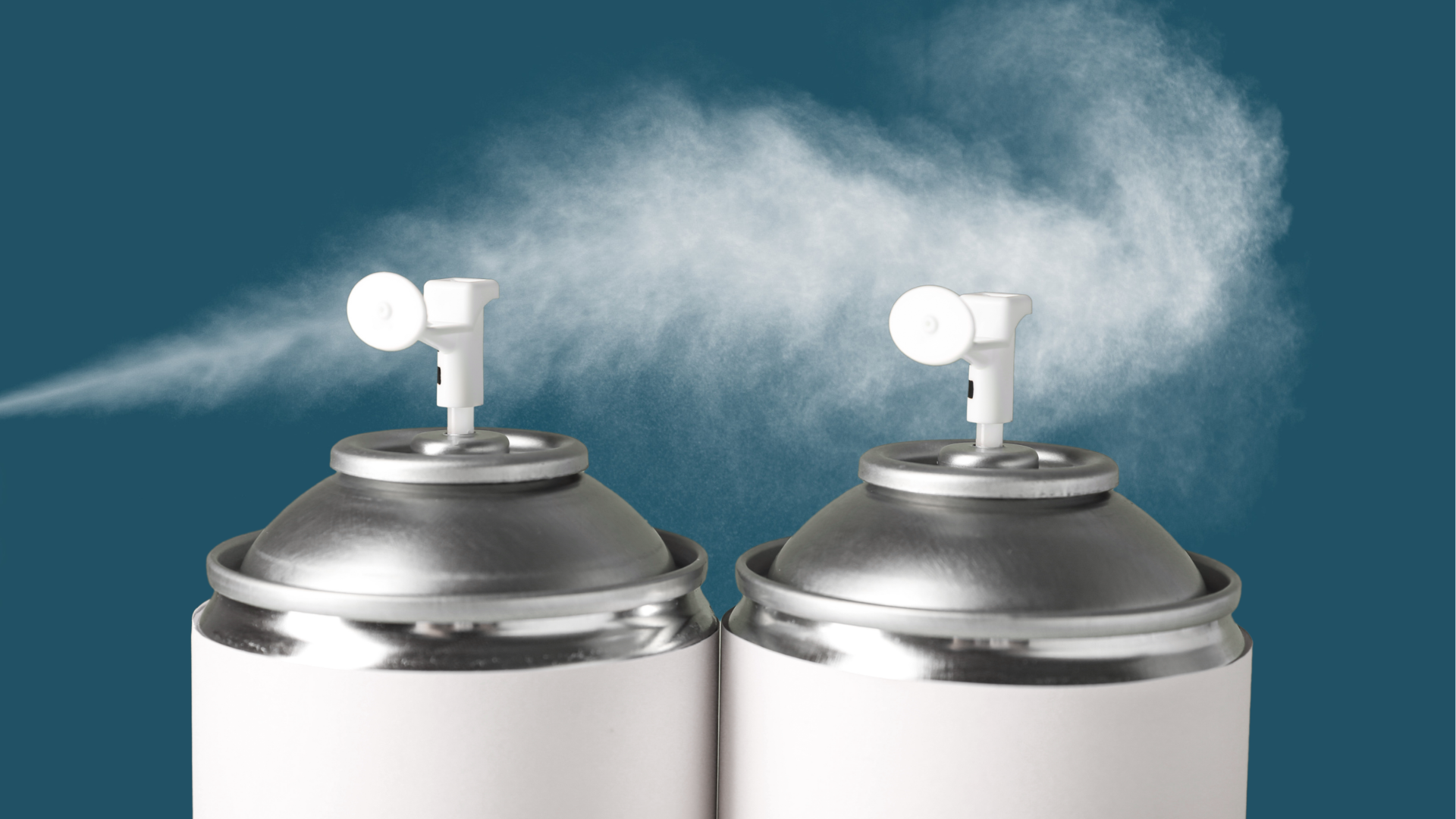
The UK’s Simpler Recycling legislation is already changing how workplace waste is managed, with additional requirements coming into force next month.
For organizations using aerosol products, now is the time to ensure waste handling processes are aligned with current rules and ready for the next phase of reporting.
What’s Already in Effect
Since 31 March 2025, updated workplace recycling requirements have been introduced across England under the UK’s Simpler Recycling initiative. These changes are designed to improve consistency in how businesses separate and manage waste streams.
Guidance published by the UK government clarifies that aerosols should be handled within appropriate metal waste streams where suitable. More information is available in the official Simpler recycling: workplace recycling in England guidance on GOV.UK.
What’s Changing in April 2026
From April 2026, the UK will introduce a mandatory digital hazardous waste tracking system. The new system will require businesses to record hazardous waste movements electronically, replacing most paper-based consignment processes.
Under the Digital Waste Tracking Service outlined by GOV.UK, businesses will need to:
-
Record hazardous waste movements digitally
-
Provide accurate information about the type and quantity of waste being disposed of
-
Maintain clear records across the full waste journey
Why This Matters for Aerosol Users
Aerosol cans that are not completely empty may be classified as hazardous waste. Where this applies, businesses must ensure they are correctly classified, stored safely in secure and well-ventilated areas, collected by licensed hazardous waste carriers, and recorded accurately within the digital tracking system. If aerosols are punctured or treated on-site, a registered T15 exemption is required along with strict safety controls.
Preparing for April and Beyond
With digital hazardous waste tracking beginning next month, businesses should take time now to confirm how aerosol waste is classified and stored, review hazardous waste collection processes, ensure internal systems are ready for digital reporting, and evaluate aircare solutions against both compliance and sustainability goals.
Simpler Recycling reflects a broader shift toward greater transparency in waste management. Reviewing processes today can help ensure a smoother transition as the new requirements take effect.
Considering Alternatives That Maintain Performance?
As part of this review, some organizations are evaluating non-aerosol technologies that can reduce hazardous waste while maintaining consistent fragrance coverage.
One option is V-Air Flow, an active aircare system that uses a passive refill to deliver consistent fragrance without the use of aerosols. An internal fan actively distributes fragrance throughout an entire space, helping provide coverage similar to aerosol systems while eliminating the need for propellants or pressurized containers.
In addition to reliable performance, V-Air Flow is designed with sustainability in mind:
-
No propellants or pressurized cans
-
Refills made with more than 50% plant-based material derived from sugarcane
-
Dispenser made from 100% post-consumer recycled plastic
A Broader Approach: Passive Aircare Solutions
For many facilities, V-Air Flow offers one path away from aerosols. Others may choose to take the shift further by implementing fully passive aircare as part of a broader non-aerosol strategy.
Passive systems eliminate propellants and pressurized containers entirely, simplifying disposal, reducing regulatory complexity, and minimizing servicing needs. With low-touch maintenance and 60-day fragrance options, solutions like V-Air® Solid Evolution paired with the V-Air MVP Dispenser make it easy to deliver consistent fragrance while supporting operational efficiency.
At Vectair, product innovation focuses on giving facilities flexible aircare options to meet evolving operational and sustainability goals. Our products reflect a continued commitment to performance, responsible design, and more environmentally conscious choices.
